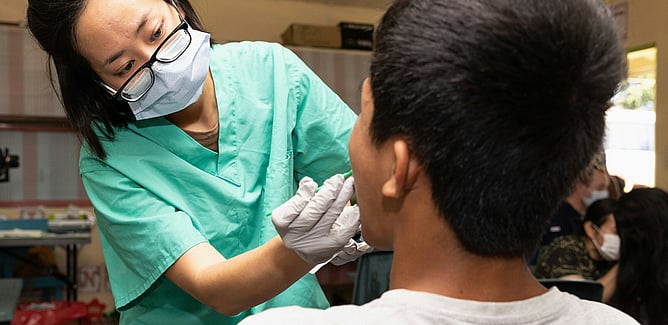
Prevention is the most powerful tool in oral health. Rather than waiting until a problem becomes painful or expensive to treat, prevention focuses on stopping issues before they develop.
Oral Health Therapists, Dental Hygienists and Dental Therapists are trained specifically with prevention at the centre of their practice and are experts in this.
What does prevention mean?
Preventive care includes:
Regular dental check-ups
Professional removal of plaque, tartar and stain
Early detection and management of tooth decay
Gum disease detection and management
Fluoride treatments
Fissure sealants
Oral health education
Oral health behaviour change support and advice
These professionals are trained to identify small changes early, long before they turn into major problems.
Why early care matters
Tooth decay and gum disease do not usually happen overnight. They develop slowly. Sometimes you do not know you have these until it becomes a problem. When detected early:
Treatment can be simpler
Procedures can be less invasive
Costs are often lower
Oral health outcomes are better
For children, early prevention can protect developing teeth and reduce the risk of future complications. Baby teeth are equally as important as adult teeth.
For adults, preventing gum disease and tooth decay can protect not only teeth but overall health.
Prevention protects more than your smile
Good oral health is linked to overall wellbeing. Gum disease has been associated with conditions such as diabetes and heart disease. Oral infections (including dental abscesses) can affect general health and quality of life, no matter your age.
By focusing on prevention, Oral Health Therapists, Dental Hygienists and Dental Therapists help patients maintain both oral and overall health.
A community-focused approach
Many Oral Health Therapists and Dental Therapists work in schools and community settings through the Community Oral Health Service, helping ensure children and families have access to care early in life. This prevention-first model is designed to reduce health inequalities and inequities and improve access for communities with higher unmet need. Dental care for children and young people in Aotearoa New Zealand is free (up until you turn 18 years old).
Prevention is not just about brushing better. It is about having skilled professionals supporting you every step of the way.