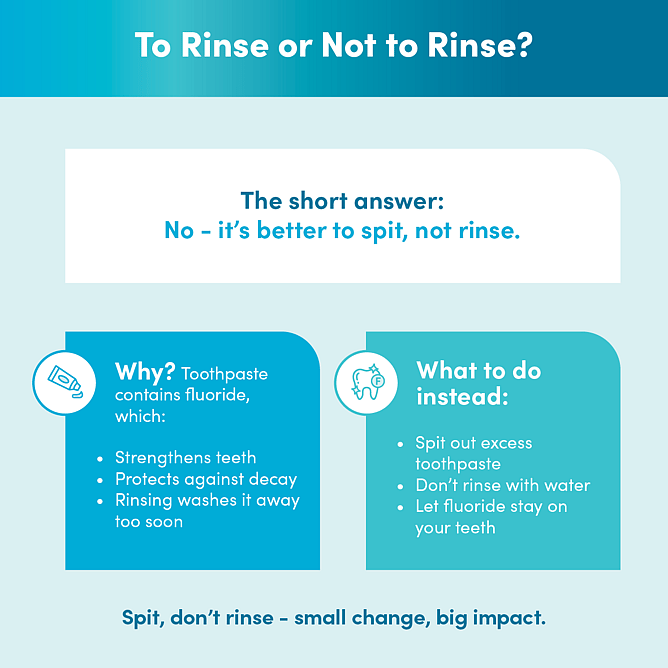
It’s a common question: Should you rinse your mouth after brushing your teeth?
The answer might surprise you. In many cases, it is better not to rinse with water.
Why fluoride matters?
Most toothpastes contain fluoride, which helps:
Strengthen tooth enamel
Protect against tooth decay
Support the repair of early signs of damage
After brushing, fluoride remains on your teeth and continues to work, especially at night right before bed.
What happens if you rinse?
If you rinse your mouth straight after brushing, you may wash away much of the fluoride before it has time to do its job.
This can reduce the protective benefits of brushing.
What should you do instead?
Instead of rinsing, the general recommendation is to:
Spit out any excess toothpaste
Avoid rinsing with water immediately after brushing
Let the fluoride remain on your teeth
This gives your teeth more time to absorb the fluoride and strengthens protection against decay.
What about mouthwash?
If you use mouthwash, it is best to:
Use it at a different time of day, rather than straight after brushing, or
Wait a while after brushing before using it
This helps prevent fluoride from being washed away too soon.
Does this apply to everyone?
For most adults and children, this approach is safe and beneficial.
However, younger children should be supervised when brushing to ensure they:
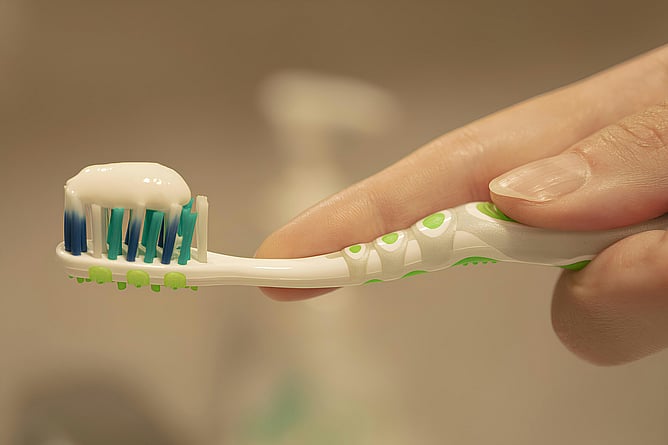
Use the correct amount of toothpaste (a smear layer)
Do not swallow it
If you are unsure what is best for you or your whānau, your oral health professional can provide personalised advice.
The bottom line
Spitting, not rinsing, allows fluoride to keep protecting your teeth after brushing. It is a small change that can make a big difference to your oral health over time.