Brushing your teeth is something most of us do every day. But are you doing it correctly?
Even with the best intentions, small mistakes in your brushing routine can reduce its effectiveness and impact your oral health over time.
The good news is that a few simple changes can make a big difference.
Why brushing technique matters
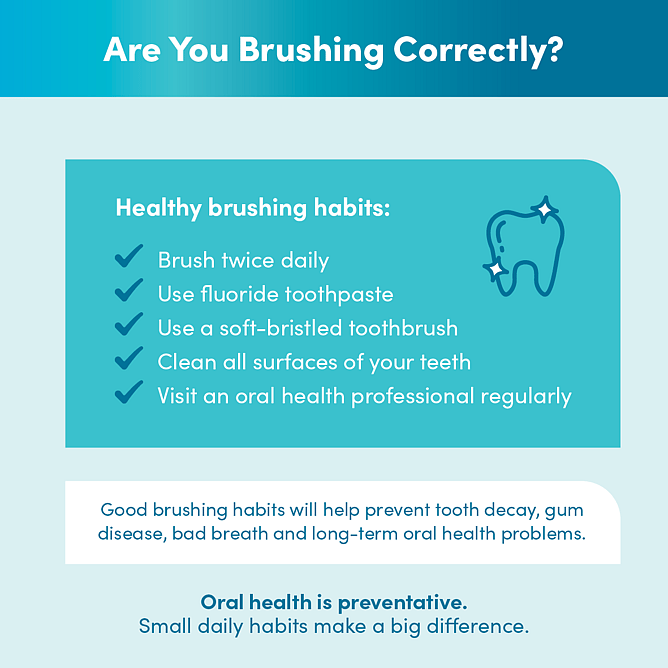
Brushing is not just about keeping your teeth looking clean. It is about removing plaque, protecting your enamel, and keeping your gums healthy.
If plaque isn’t removed properly, it can lead to:
Tooth decay
Gum disease
Bad breath
Getting the basics right helps prevent problems before they start.
Common brushing mistakes
1. Brushing too quickly
Many people don’t brush for long enough.
Fix it: Aim to brush for at least two minutes, twice a day. Using a timer or electric toothbrush can help.
2. Using too much pressure
Brushing harder does not mean your teeth are getting cleaner. In fact, too much pressure can damage your teeth and gums.
Fix it: Use a gentle, controlled motion. Your toothbrush should glide over your teeth, not scrub them.
3. Missing areas of your mouth
It is easy to focus on the front teeth and miss the back teeth, along the gumline, or inner surfaces.
Fix it: Brush in a systematic way. Divide your mouth into sections to ensure all surfaces are cleaned.
4. Not brushing along the gumline
Plaque often builds up where the teeth meet the gums.
Fix it: Angle your toothbrush slightly toward the gums and use small circular motions to clean this area.
5. Rinsing straight after brushing
Rinsing your mouth with water immediately after brushing can wash away fluoride from your toothpaste.
Fix it: Spit out excess toothpaste, but avoid rinsing straight away to allow fluoride to protect your teeth.
6. Using the wrong toothbrush
A toothbrush that is too hard or worn out will not clean effectively and may cause damage.
Fix it: Use a soft-bristled toothbrush and replace it every 3–4 months, or sooner if the bristles are worn.
7. Forgetting to clean between your teeth
Your toothbrush cannot reach between your teeth, where plaque can build up.
Fix it: Clean between your teeth daily using floss or interdental brushes.
Small changes, big impact
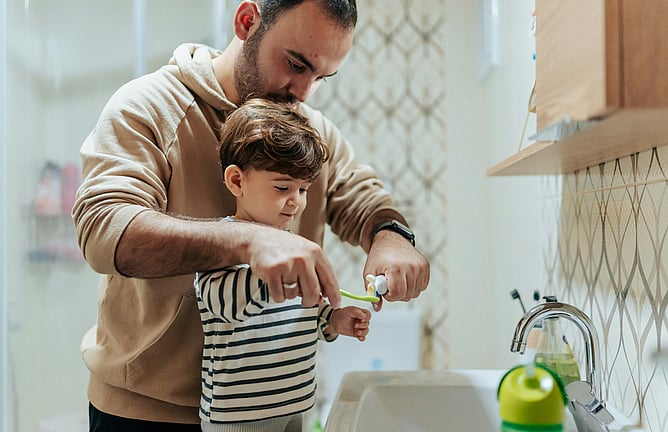
Improving your brushing technique does not take much time, but it can significantly improve your oral health.
Combined with good daily habits and regular check-ups, effective brushing is one of the simplest ways to protect your teeth and gums.
The bottom line
Brushing is part of your daily routine, so it is worth making sure you are doing it well. If you are unsure about your technique, speak with your oral health professional. They can provide personalised advice to help you get the most out of your brushing routine.