Dental Congress 2026
Workshops: Thursday 27th August
Conference: Friday 28th - Saturday 29th August
Where: New Zealand International Conference Centre, Auckland
The biggest dental event of 2026!
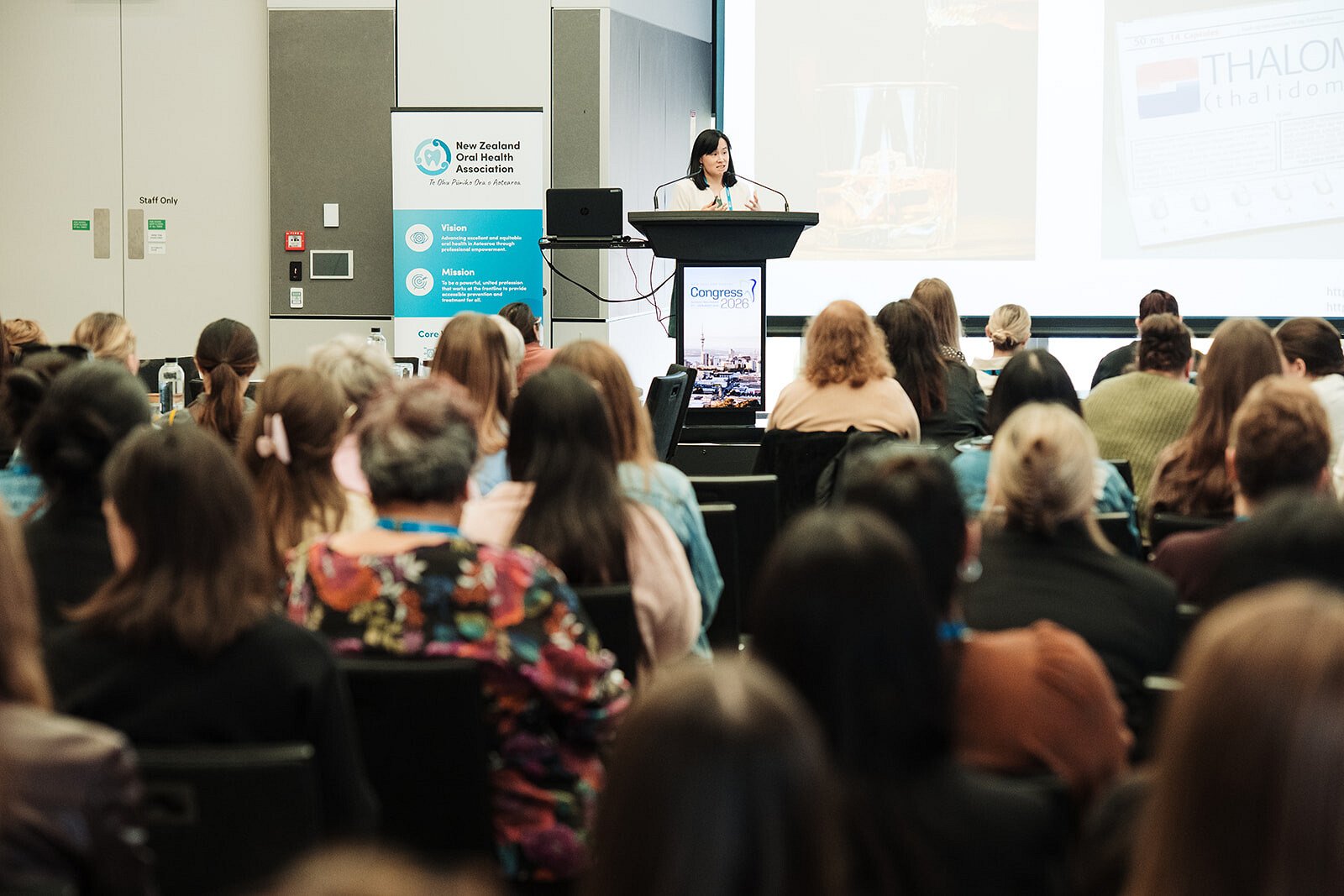
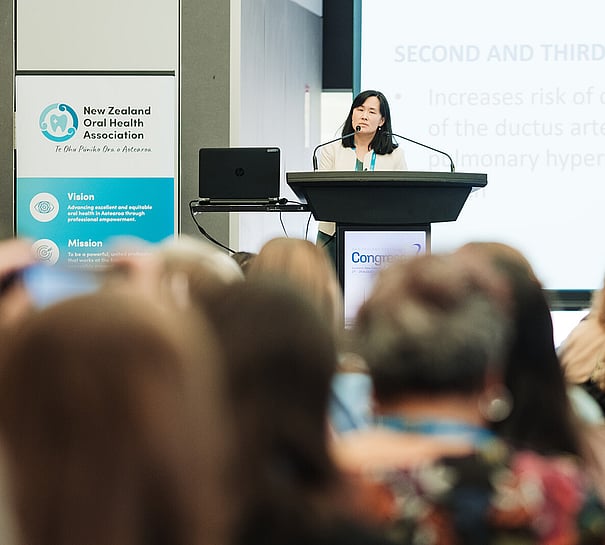
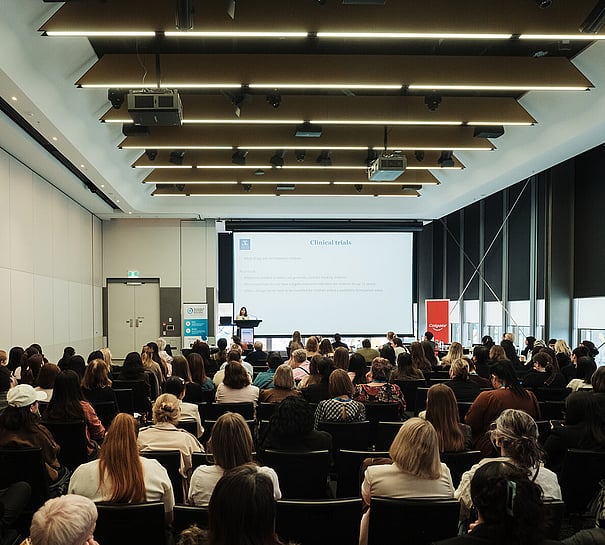
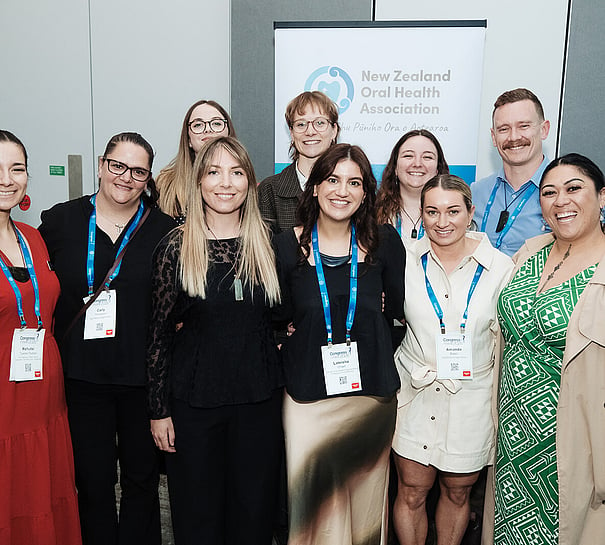
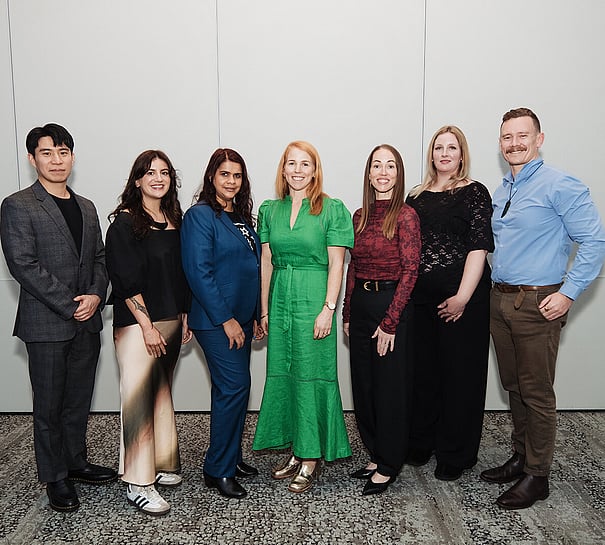
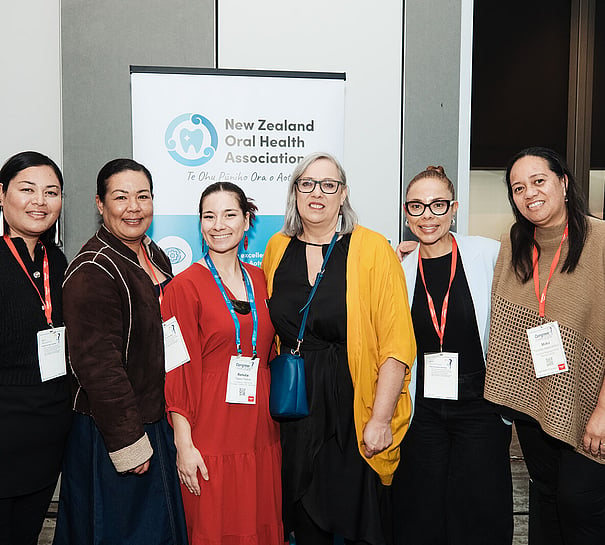
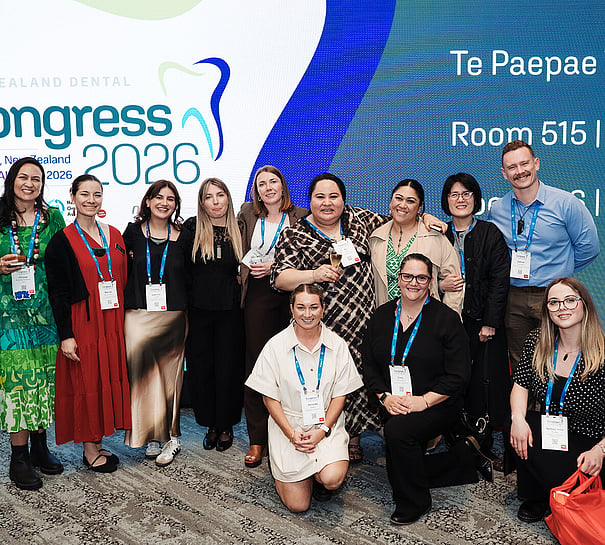
The New Zealand Dental Association (NZDA), New Zealand Oral Health Association (NZOHA), and New Zealand Institute of Dental Technologists (NZIDT) joined forces to deliver the New Zealand Dental Congress 2026.
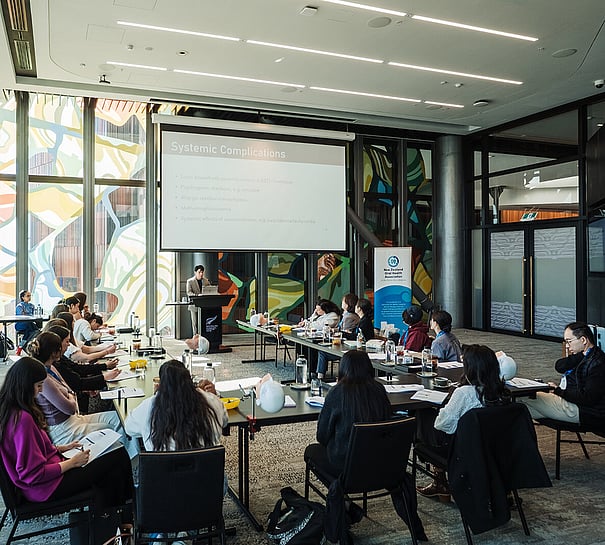
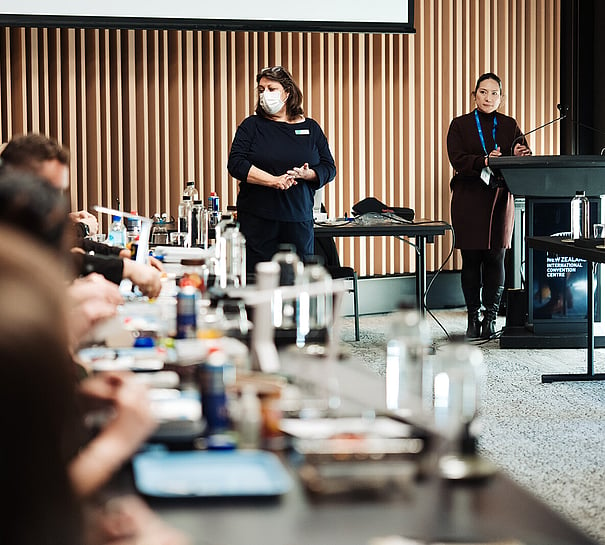
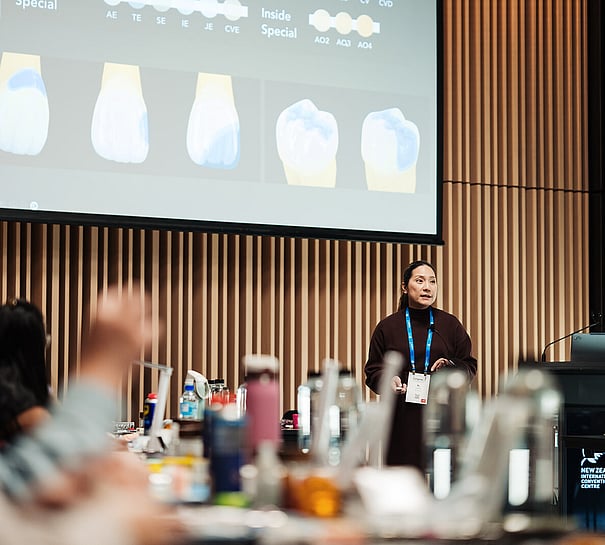
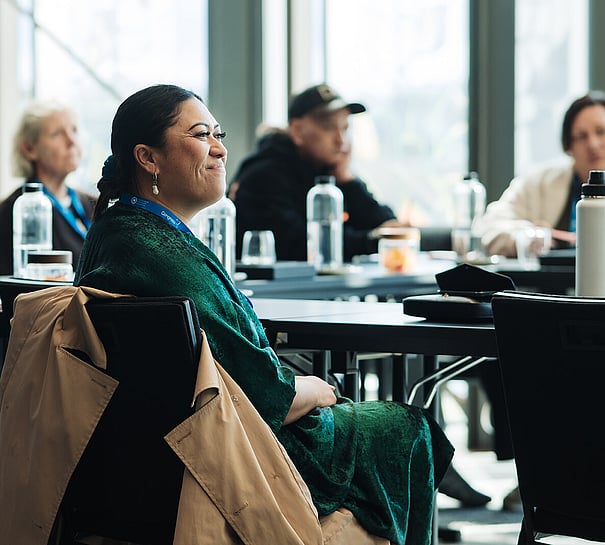
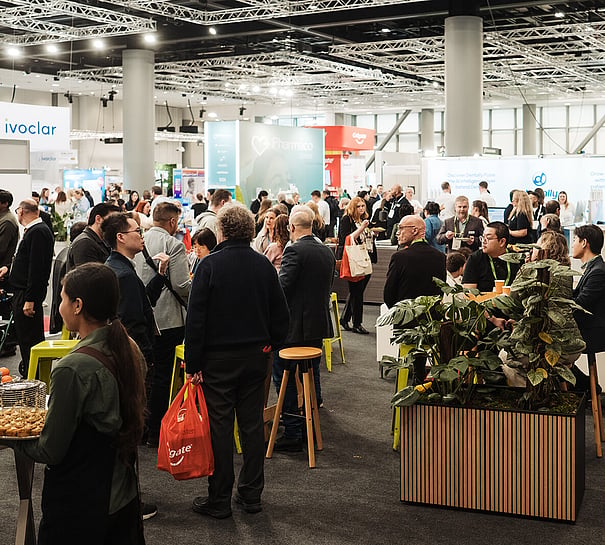
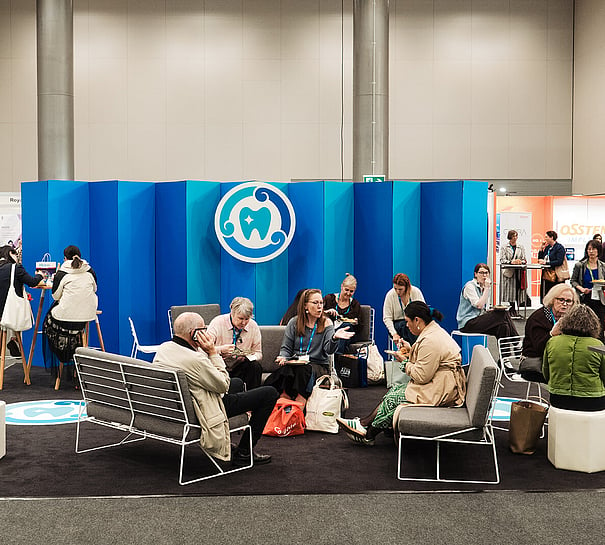
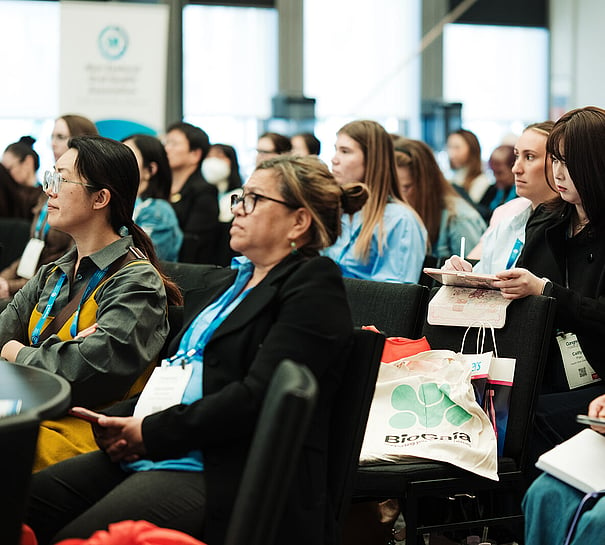
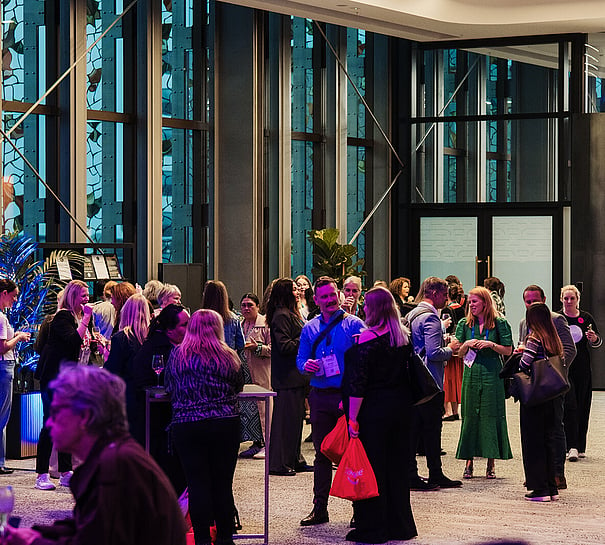
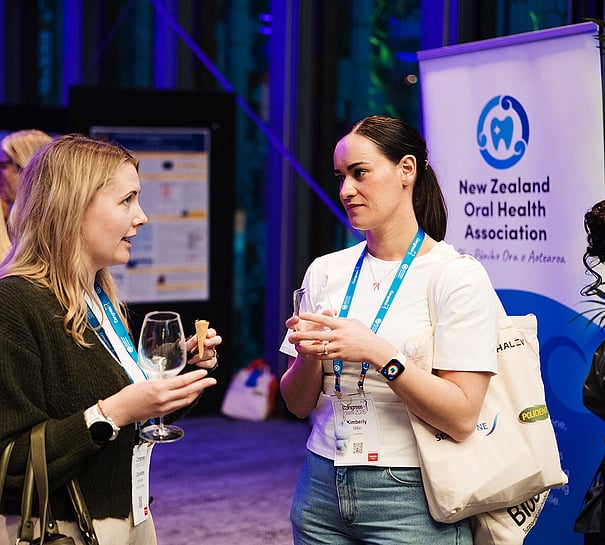
Congress kicked off with an opening session to bring everyone together, followed by each association presenting its own tailored scientific programme, with select open sessions to foster collaboration. The shared industry expo was a buzzing hub of activity, connection and energy.
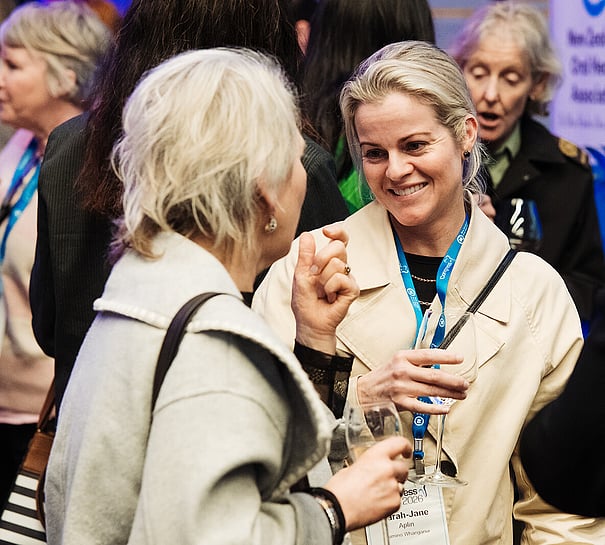
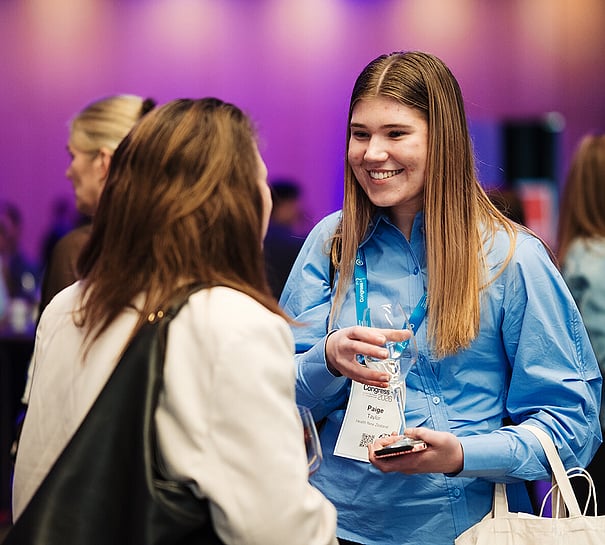
Congress delivered inspiring sessions, hands-on learning, networking opportunities, and a vibrant social programme that kept wellbeing front of mind.
The event was held from 27 – 29 August 2026 at the New Zealand International Convention Centre in Auckland.
THE AGENDA
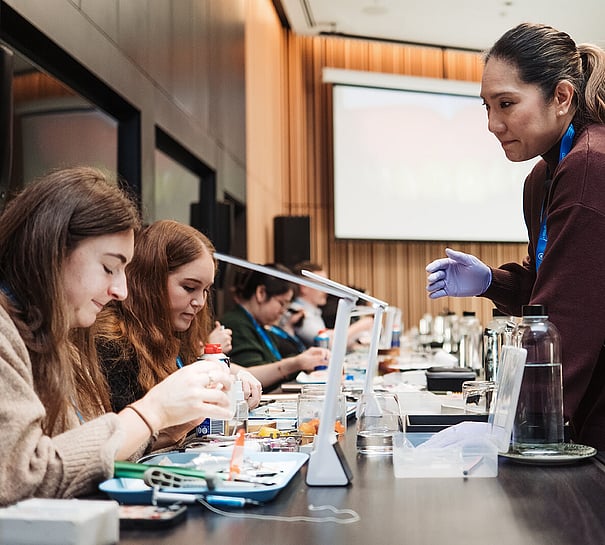
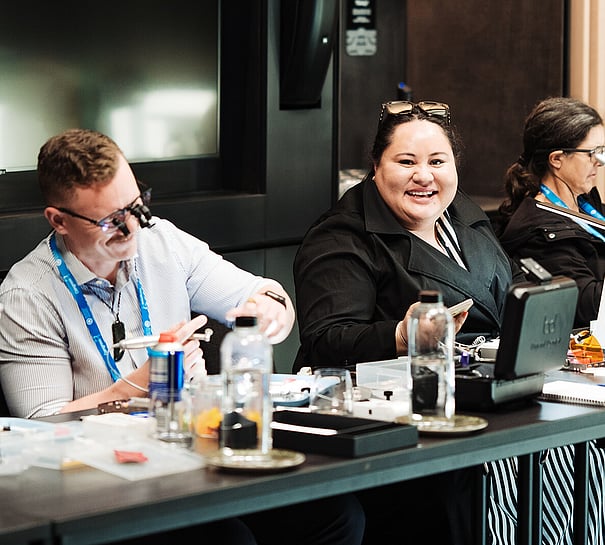
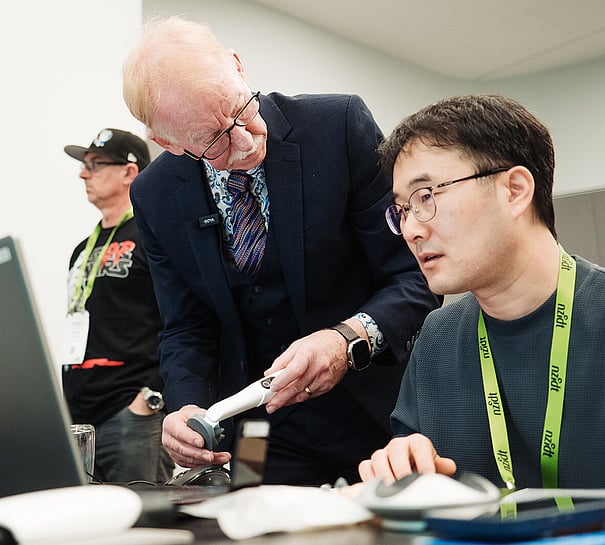
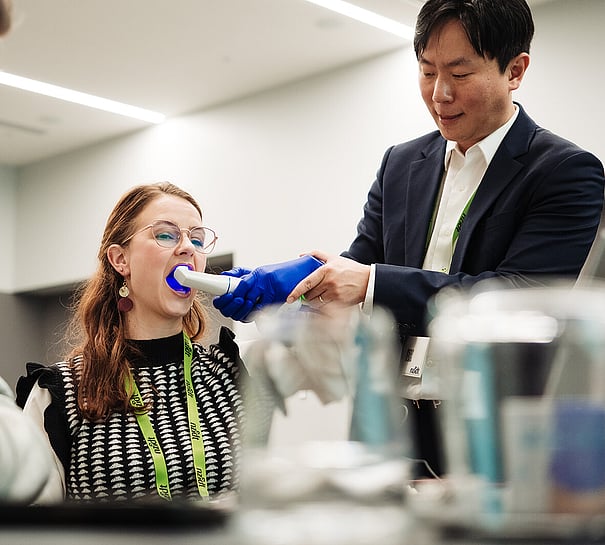
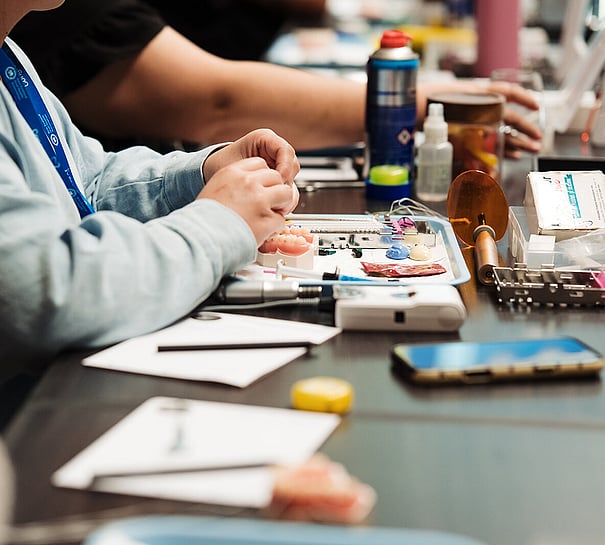
Hands on Workshops
Thursday 27th August
9:00am – 12:30pm - Predictable Anterior Aesthetics - Class III, IV and V restorations, Dr RL Halili-Castillo
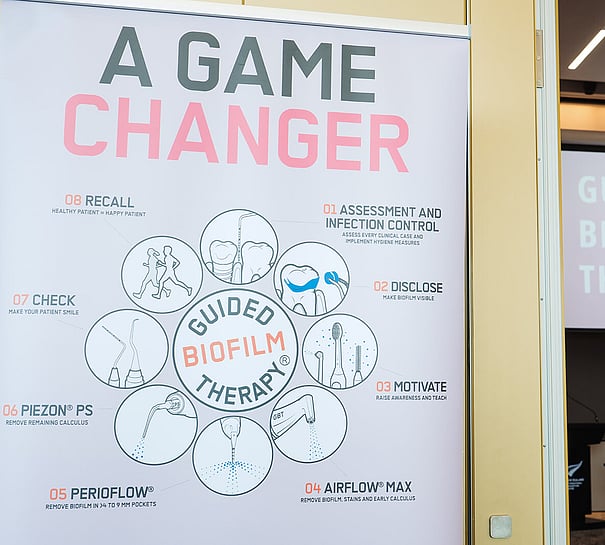
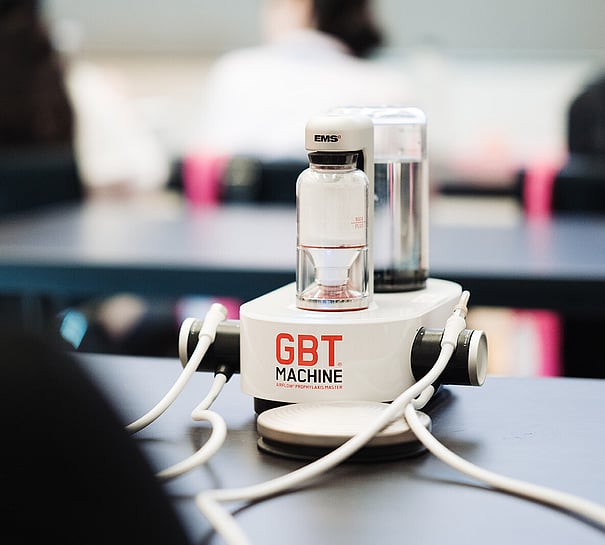
9:30am - 12:30pm - Mastering Guided Biofilm Therapy (GBT): A Protocol-Driven Approach to Modern Preventive Care, Sharon Boutell
9:30am – 12:30pm - LA Tips and Techniques, Dr Chris Heuiwon Han
1:30pm – 4:00pm - Developing Your Pepeha and Mihi – A Practical Masterclass, Hone Hurihanganui
1:30pm - 4:30pm - Mastering Guided Biofilm Therapy (GBT): A Protocol-Driven Approach to Modern Preventive Care, Sharon Boutell
1:30pm – 5:00pm - A Simplified Approach to Natural Anterior Aesthetics, Dr RL Halili-Castillo
If you’re looking to build practical skills, be sure to add on workshops when you register.
Congress
Friday 28th August
7.30am - Registration Opens
8.30am - Presidents Address & Welcome - NZDA, NZOHA, NZIDT
9.00am - The Lawrie Croxson Memorial Lecture | Resilience Rewired - Kristy von Minden
10.00 - 11.00am - Break
11.00am - 12.15pm Cultural Intelligence, Understand the soil we call home - Mr Hone Hurihanganui, Sponsored by the Clare Foundation
12.15 - 1.10pm - Rethinking Oral Health: From Killing Bacteria to Supporting Balance - Tabitha Acret, Sponsored by BioGaia
1.10 - 2.10pm - Break
2.10 - 3.00pm - From Bump to Baby Teeth: Drugs in Pregnancy, Lactation and Paediatrics - Associate Professor Leanne Teoh
3.00 - 4.00pm -
Option 1: Health New Zealand Oral Health Services Review – Progress Update - David Moore & Rebecca Rippon
Option 2: Securing Oral Health and Prevention in Older Patients - Professor Frauke Müller
4.00 - 5.00pm -
Option 1: The Discovery of a Major Survival Pathway That Has Gone Astray in Humans: The Fructose Survival Pathway - Professor Richard Johnston
Option 2: Implementation and delivery of the ARDS Community Outreach Team within the Auckland Regional Dental Service (ARDS) - Rehutai Tipene-Tautolo and Dianne Houston, Sponsored by Te Ao Marama
5.00 - 5.15pm - NZOHA Awards Presentations
5.15 - 7.00pm - President's Shout
Saturday 29th August
7.45 - 8.45am - Breakfast Session | Topical fluoride hesitancy: a U.S. perspective on how to spot, diagnose, and manage it - Professor Donald Chi, Sponsored by Colgate
8:30 - 9:00am - NZOHA Abstract presentations: A qualitative study among academic and clinical oral health professionals
9.00 - 10.00am
Option 1: Peri-implantitis - can it be successfully treated - Dr Susan Wise, Sponsored by Colgate
Option 2: Pain management in Dentisry, what do to and what to avoid - Associate Professor Leanne Teoh
10.00 - 11.00am - Oral Medicine - Dr Anita Nolan
11.00am - 12.00pm - Break
12.00 - 1.00pm -
Option 1: Direct Restoration of the Posterior Dentition: A Biomimetic Approach - Dr Jason Smithson, Sponsored by Ivoclar
Option 2: Pathologies affecting periodontium - Dr Jono Martin, Sponsored by Te Ao Marama
1.00 - 2.00pm - Extending the Sugar Story to Cancer, Dementia and Behavioural Disorders, and what can we do to stop these Epidemics? Professor Richard Johnston
2.00 - 3.00pm - Break
3.00 - 4.00pm - Beyond Visualization: The Evolution of Periodontal Therapy - Karen Aguilar
4.00 - 5.00pm - The Full Team Approach to Treatment - Panel
5.00pm - Closing/Drinks
Thank you to all of our presenters and speakers
Thursday - Workshop Presenters
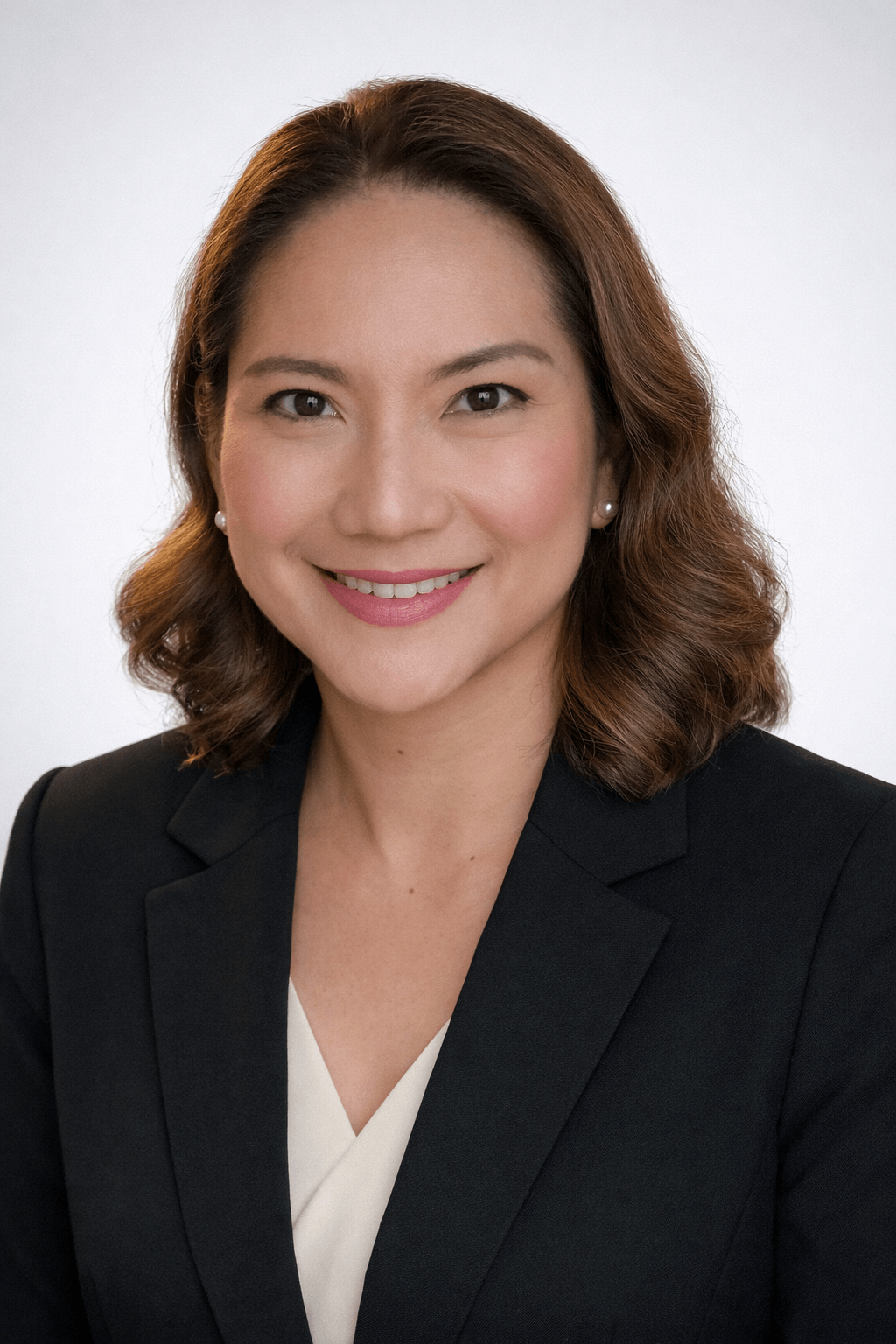
Dr RL Halili-Castillo
Predictable Anterior Aesthetics - Class III, IV and V restorations
Anterior composites can be intimidating especially when aesthetics, contacts and polish don’t turn out as expected.
This highly practical 3-hour lecture and hands-on workshop is designed for clinicians who want to build greater confidence and predictability when managing anterior Class III, IV and V restorations. You’ll learn when to monitor versus restore, how to simplify your composite placement, and how to achieve natural contour and high- gloss finishes that last.
Walk away with a clear, repeatable workflow you can apply immediately in practice.
By the end of this course, you will:
Know when to remineralise and when to restore
Improve your anterior composite contour and contacts
Avoid common aesthetic mistakes (flat surfaces, grey tones)
Create natural line angles and emergence profiles
Follow a simple, step-by-step finishing and polishing protocol
Achieve long-lasting gloss with confidence
A Simplified Approach to Natural Anterior Aesthetics
This hands-on workshop offers a simplified, practical approach to achieving natural aesthetics with composite restorations. Participants will learn effective techniques for shade selection, layering, and sculpting that replicate the natural tooth anatomy with ease and efficiency. The session will also cover key clinical tips to optimize handling, reduce common errors, and ensure long-lasting, aesthetic results - helping clinicians deliver beautiful restorations while minimizing chair time.
Learning Objectives
By the end of this workshop, participants will be able to:
Understand fundamental principles of natural aesthetics in composite restorations.
Apply simplified shade selection and layering techniques for predictable outcomes on a Class IV.
Master composite handling and sculpting to mimic tooth anatomy.
Implement clinical tips to avoid common pitfalls such as voids, overcontouring, and poor polymerization.
Learn simplified finishing and polishing protocols.

Sharon Boutell
Mastering Guided Biofilm Therapy (GBT): A Protocol-Driven Approach to Modern Preventive Care
This hands-on workshop introduces clinicians to the practical application of Guided Biofilm Therapy (GBT), an evidence-based protocol for minimally invasive biofilm management. Participants will explore the clinical sequence of assessment, disclosure, motivation, AIRFLOW®, PERIOFLOW®, PIEZON®, final check, and recall through demonstration, guided practice, and case discussion. Emphasis will be placed on correct protocol sequencing, tip and powder selection, ergonomic instrumentation, patient comfort, and clinical decision-making. The workshop is designed to support immediate translation into clinical practice and help participants deliver more consistent, efficient, and predictable care.
Learning Outcomes
By the end of this workshop, participants will be able to:
Explain the principles of Guided Biofilm Therapy.
Follow the correct sequence of the GBT protocol.
Use biofilm disclosure agents to support diagnosis and patient motivation.
Understand how AIRFLOW®, PERIOFLOW®, and PIEZON® are used within the GBT protocol.
Select appropriate powders, tips, and power settings for clinical care.
Recognise how GBT supports comfortable, efficient, and predictable outcomes.
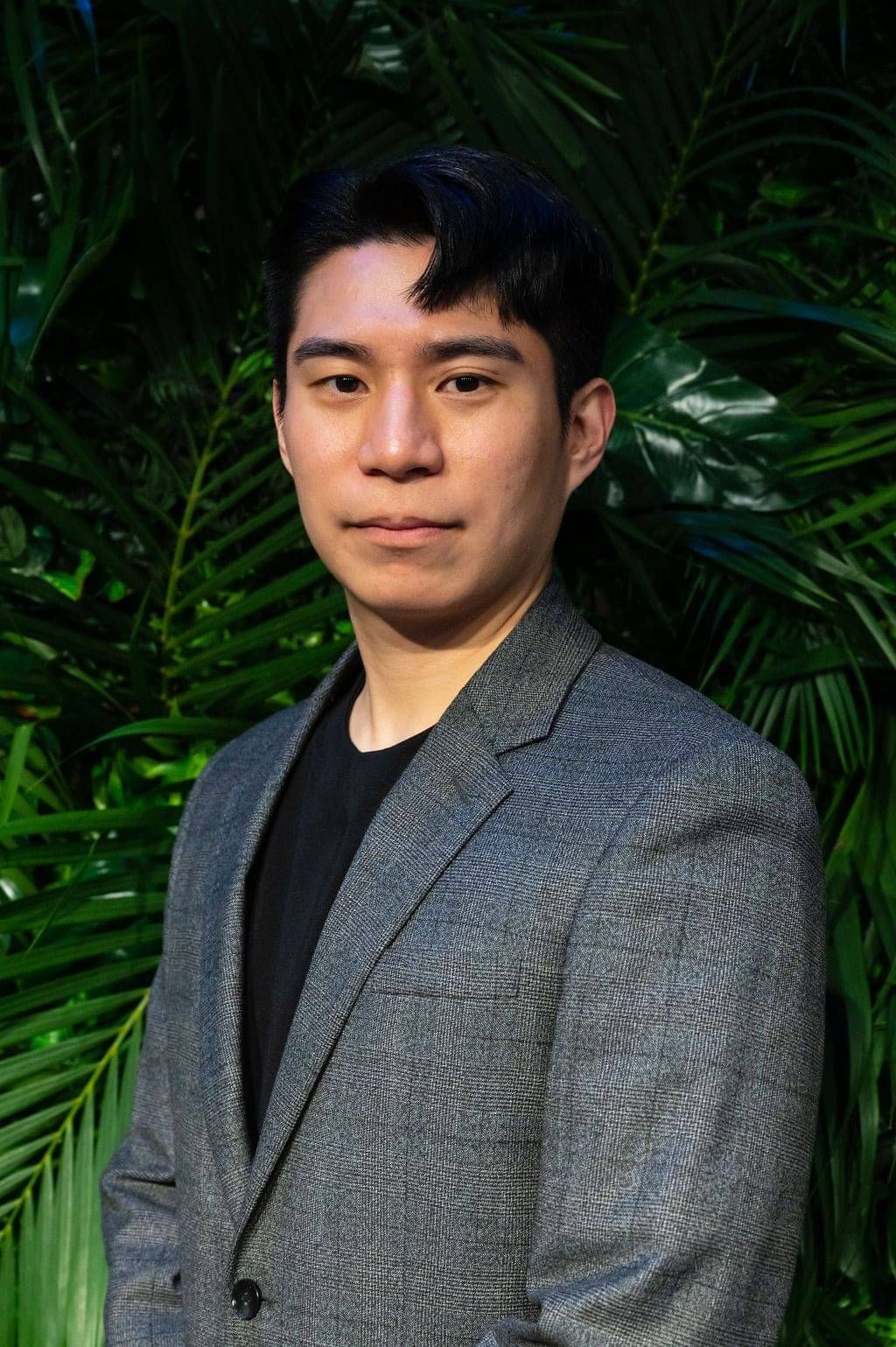
Dr Chris Heuiwon Han
LA Tips & Technique
Revision of basic anatomy with local anaesthesia techniques
Revision of clinical pharmacology of contemporary local anaesthetics used in dental practice
Review of local anaesthetic delivery techniques, possible complications, prevention and management
Hands-on of local anaesthetic delivery techniques on models
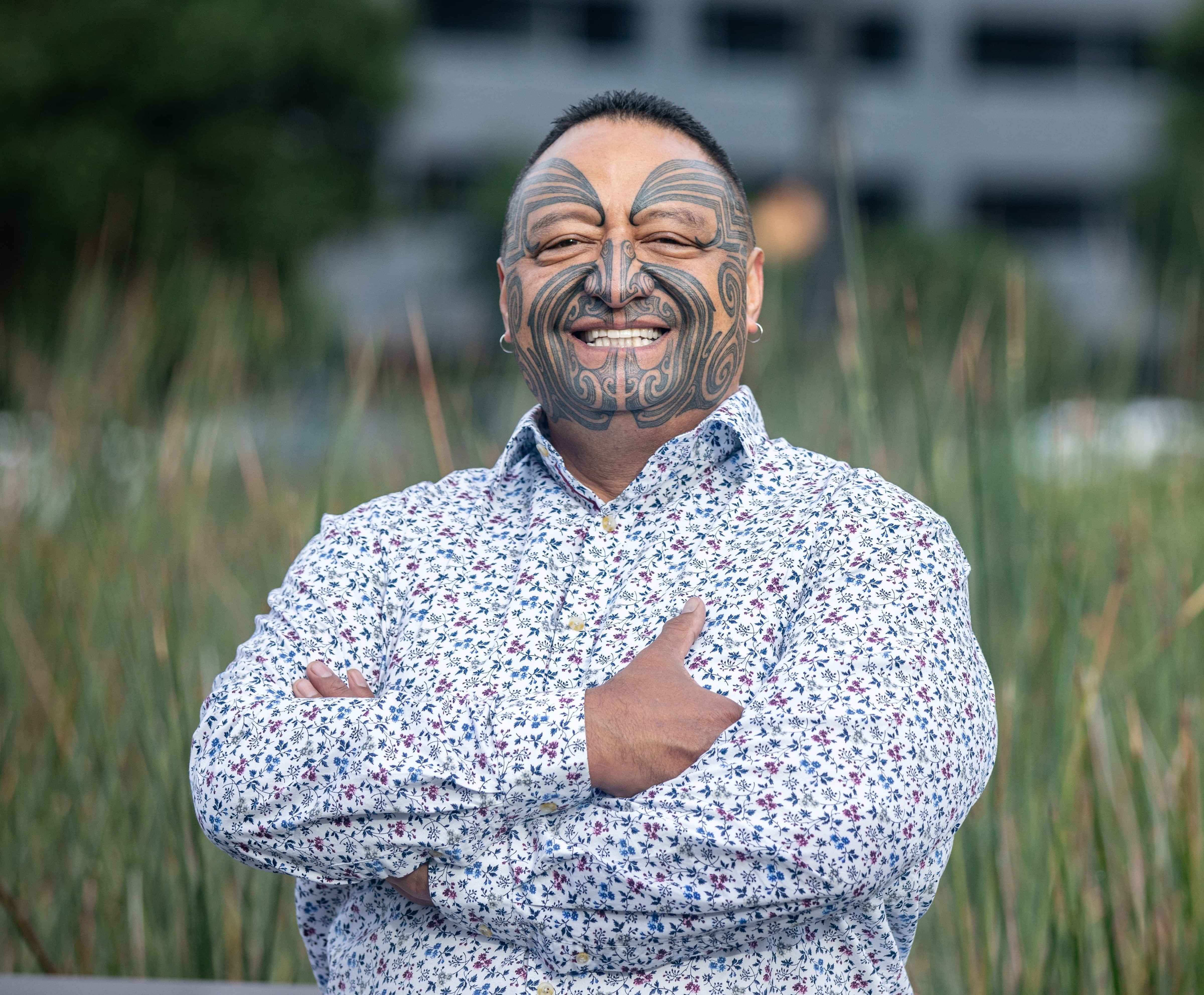
Mr Hone Hurihanganui
Tūhourangi - Ngāti Wāhiao Ngāti Whakaue Ngāti Porou Ngāi Tāmanuhiri
Developing Your Pepeha and Mihi – A Practical Masterclass
In this interactive session, Hone will guide participants through the meaning and purpose of pepeha and mihimihi, and why they are an important way of introducing ourselves in Aotearoa. Members will learn how pepeha reflects our connections to people and place, and how mihi can be used appropriately in professional and community settings.
The workshop will provide practical support for participants to begin developing their own pepeha and practise delivering a simple mihi, helping build confidence when introducing themselves in Māori contexts. The session is designed to strengthen cultural capability and support members to engage respectfully with te ao Māori in their professional practice.
Participants will gain practical guidance on:
Understanding the purpose and key elements of a mihi and pepeha
Introducing themselves respectfully in professional and community settings
How both Māori and non-Māori can participate appropriately in Māori cultural practices
Building confidence and cultural humility when engaging with te ao Māori
Friday/Saturday - Congress Speakers
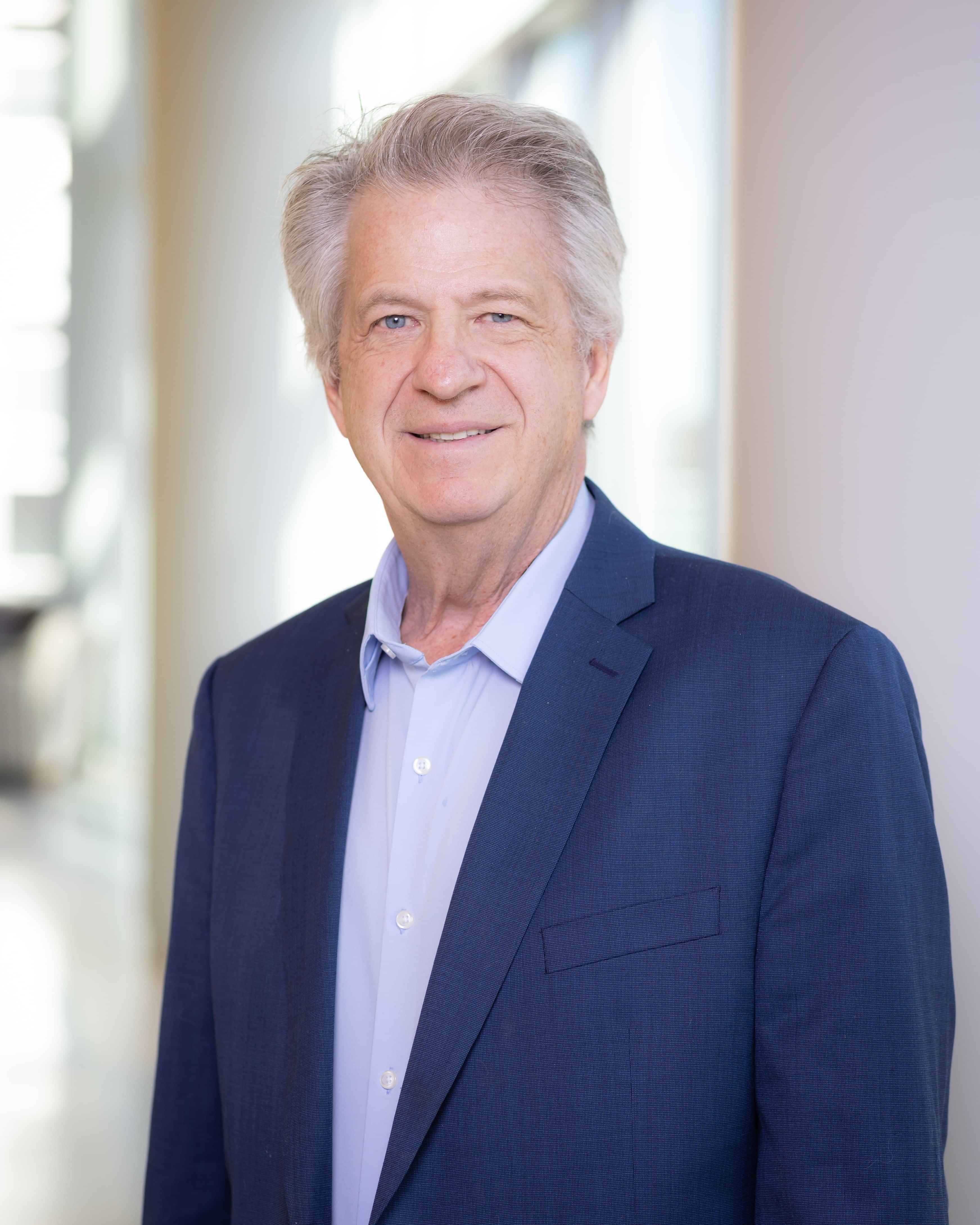
Professor Richard J. Johnson, M.D
Professor of Medicine at the University of Colorado
The Discovery of a Major Survival Pathway That Has Gone Astray in Humans: The Fructose Survival Pathway
So why would sugar have such an important function in human survival and disease? Why is it different from other foods we might view as delicious? If it is more than a calorie, how does it work. Here we explore the role of sugar in survival, focusing on
how animals survive in nature, and how animals store extra fat and become insulin resistant to survive times of food scarcity. The discussion takes us from hibernating bears to hummingbirds. We then discuss the discovery of a central biological pathway of protection, mediated by fructose, that is either ingested or produced. We discuss how this pathway has gone astray with Western Diet, and we can tie into the first lecture. We discover how other foods, such as high glycemic carbohydrates and salt, can interplay, and we use this to dissect how many of the major epidemics, including diabetes, obesity and heart disease are all driven by this pathway. We can also link the survival with how bacteria survive in the mouth, and the formation of caries – so we can link this to oral health.
Extending the Sugar Story to Cancer, Dementia and Behavioural Disorders, and What Can We Do to Stop These Epidemics?
Classically we think of sugar as a food that might drive obesity and diabetes, but what is emerging is that sugar may have a much greater reach, including newly discovered roles in cancer, dementia, bipolar disease and others. We will also explore sugar’s sister, uric acid, and how it also is emerging as a major risk factor for disease, including in New Zealand. We will then devote the last half of the talk to how we can block the effects of sugar. What is the hard evidence for the right diet, the use of supplements, vitamins and medications?
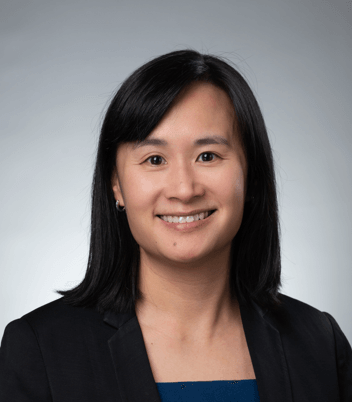
Associate Professor Leanne Teoh
B.DSc(Hons) B.Pharm(Hons) PhD FICD FPFA
From bump to baby teeth
Drugs in pregnancy, lactation and paediatrics Safe medication use is critical in oral healthcare, and this presentation will focus on medicine use in pregnant, breastfeeding and paediatric patients. Considerations of drug safety will be highlighted, including teratogenic drugs and what to avoid during pregnancy and breastfeeding. Practical guidance will be provided on commonly used antibiotics and analgesics in dentistry. This will include highlighting preferred agents, contraindications, what is recommended, and advice for patients. The paediatric section emphasises that children are not small adults: developmental pharmacokinetics, weight-based dosing, and distinctive adverse drug reaction profiles will be discussed. Current recommendations and resources will be presented to equip practitioners to make informed, safe, evidence-based decisions for these patients.
Pain management in dentistry
What to do, and what to avoid Effective pain management is a central component of dental practice. This presentation will summarise evidence-based approaches for management of acute dental pain, focusing on non- steroidal anti-inflammatory drugs, paracetamol, and opioids. Common and serious adverse effects of these drugs will be explored, as well as contraindications, and place in therapy. Practical guidance on safe use of these drugs will also be presented, including pain management for children and adults. The session will also address broader public-health concerns related to prescription opioid misuse, diversion and dependence.
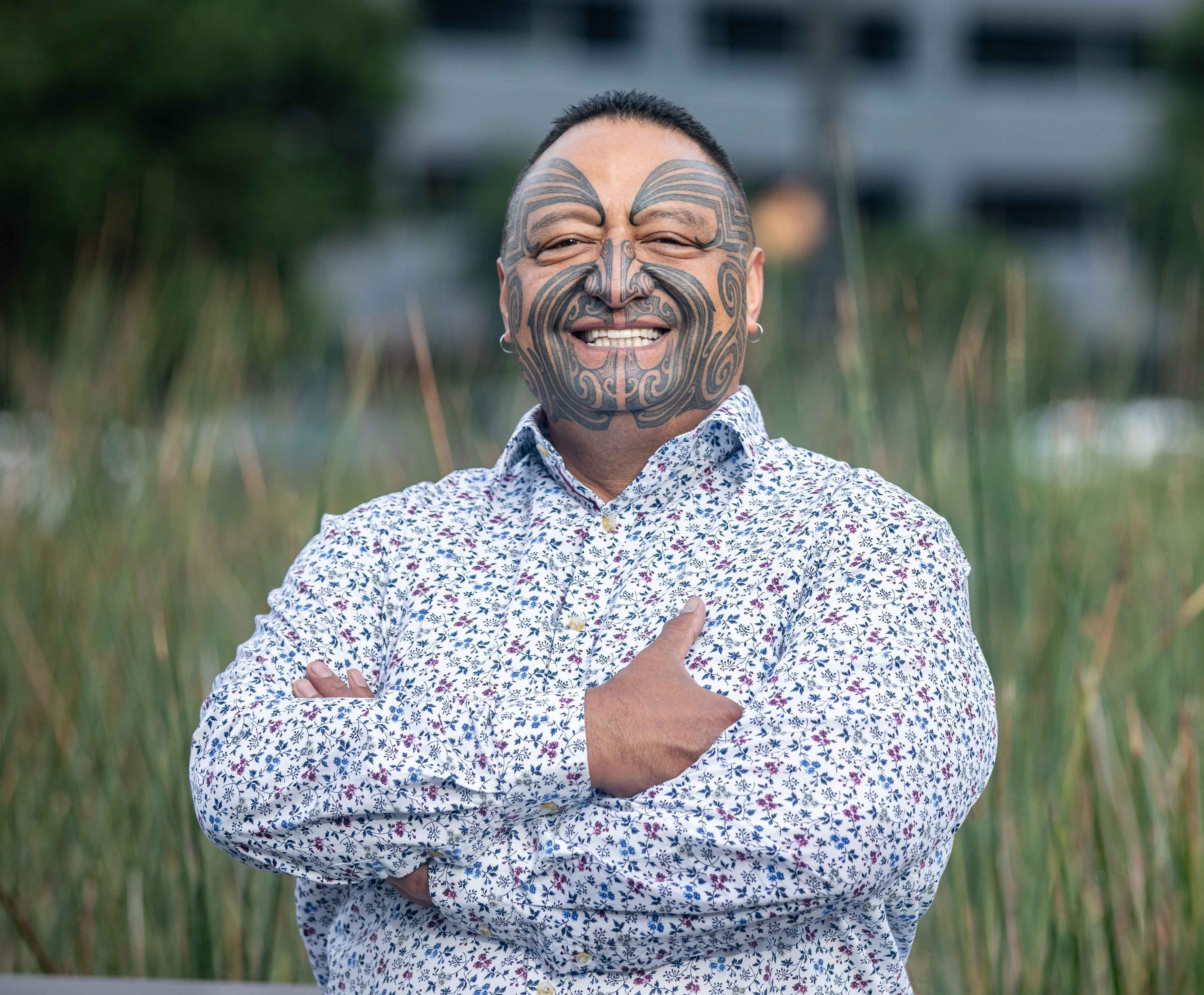
Mr Hone Hurihanganui
Tūhourangi - Ngāti Wāhiao Ngāti Whakaue Ngāti Porou Ngāi Tāmanuhiri
Cultural Intelligence
Sponsored by:
Dr Susan Wise
BDSc (Melb), Masters of Dental Science (Periodontics)
Peri-Implantitis – Can It Be Successfully Treated?
Peri-implantitis is a pathological condition in tissues around dental implants, characterized by inflammation and progressive bone loss. Clinically there are increased probing depths and bleeding on probing with crater-like bony defects around the implants. Peri-implantitis is an ever-increasing issue, occurring in over 15% of patients and 6% of implants. Successfully managing peri-implantitis is often more difficult to manage than treating periodontitis due to the difference in the anatomical structures around implants compared to teeth. This lecture will describe the aetiology & diagnosis of peri-implantitis as well as give examples of different treatment modalities.
Sponsored by:

Professor Frauke Müller
Prof em. Dr. med. dent. Dr. hc.
FDS RCSEd (ad hom) University of Geneva, Switzerland Division of Gerodontology and Removable Prosthodontics
Securing Oral Health and Prevention in Older Patients
With the onset of frailty, multimorbidity and dependency of care, several risk factors for oral and general health arise that require special prevention and treatment concepts. Medication intake causes a dry mouth in around 30% of older people, presenting not only a significant impact on the well-being, but also implying an increased risk for root caries. Swallowing disorders are also common and, in combination with high bacterial colonization of the oral cavity, can lead to fatal aspiration pneumonia. Prevention strategies should be tailored to the individual needs of patients and not limited to caries and periodontal disease. The Seattle Pathway of Care uses the term ‘oral health plan’ and suggests prevention guidelines depending on the degree of functional decline. Particularly in patients with neurodegenerative diseases, it is necessary to adapt the treatment and prevention plan in light of the progressive nature of these incurable diseases. Extraction criteria must be considered in light of the risk of bacterial colonization of hard tooth surfaces, while also considering the patient's current and future autonomy and prosthetic capability. The presentation describes in detail the context of a multimorbid patient in need of care in the later stages of life and provides guidelines for their dental care.
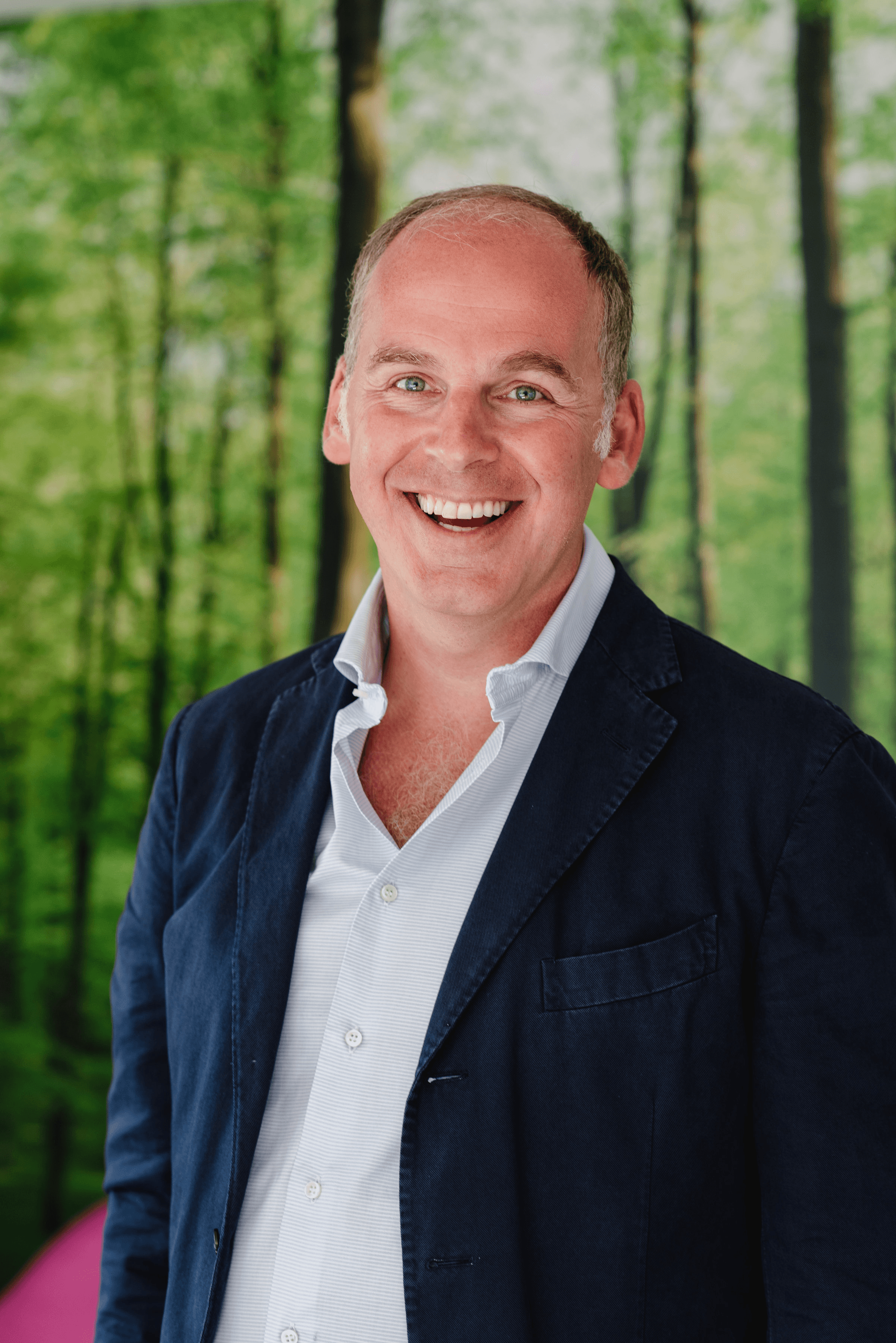
Tabitha Acret
Dental Hygienist. BOH, Grad Cert Public Health, MSc Advanced Hygiene
Rethinking Oral Health: From Killing Bacteria to Supporting Balance
Traditional oral care focuses on eliminating bacteria, but not all bacteria are harmful. This training reframes oral health through the lens of microbiome balance, explaining how beneficial bacteria contribute to a healthy mouth and why probiotic support represents a more modern, science-led approach.
Learning Objectives
- Understand the role of the oral microbiome and the difference between harmful and beneficial oral bacteria.
- Explore emerging evidence on probiotics and their role in supporting oral microbial balance.
- Apply a microbiome-focused framework to oral health conversations and patient education.
Sponsored by:
Dr Jason Smithson
BDS DRD
Direct Restoration of the Posterior Dentition: A Biomimetic Approach
Overview:
Class 1 and 2 direct resin restorations are the most performed procedure in general dental practice. However, this procedure can be challenging to carry out to a high-level in a predictable and efficient manner.
Post-operative sensitivity, creating contact points and accurate occlusal management are common and recurring issues.
Further, it is well accepted that direct composite resin restorations are predictable in small to medium sized cavities; however, when do we need to consider either direct or indirect occlusal coverage? How do we manage cavities with deeper margins?
In this fast-paced, evidenced-based presentation, Jason will take you through his roadmap protocol for direct restoration of posterior teeth based on 25-years-experience in a single office. The presentation is supported by extensive literature references and clinical step-by-step images.
What you will learn:
Caries diagnosis and protocols for minimally invasive caries removal: avoid unintentional pulp exposures.
What happens to tooth structure when we chew and why do cusps fracture? The “Peripheral Rim Theory” and the importance of Rainey’s Ridge and Web in preparation design.
Minimally invasive cavity preparations. Why preservation of tooth structure is critical to long-term success. Marginal ridge preservation and tunnel preps.
A simple protocol to reduce iatrogenic damage to adjacent teeth.
An overview of modern preparation techniques: particle abrasion and sonic preparation.
Preparation design and a protocol to reduce the risk of voids, bond failure and sensitivity.
Bonding protocols: how to create predictable adhesion on dentin and enamel. Selective enamel etching: the advantages.
Flowable composite as a liner: when where and how? With supporting research.
Bulkfills: do they work and why?
“C-Factor”: horizontal layering strategies. Pulse activation protocols.
The Occlusal Compass: How to accurately build up your restoration to minimise occlusal adjustment.
Matrixing for every situation.
A rapid, efficient finishing protocol to reduce long-term chipping and brown margins.
Sponsored by:
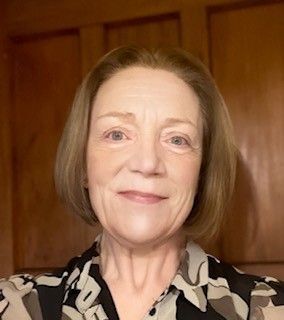
Dr Anita Nolan
MD, MB, B Ch, BAO, B Dent Sc, FFDRCSI, LLM
Oral Medicine in everyday practice
Dental professionals regularly encounter patients suffering from a range of oral mucosal diseases. These conditions may have a significant psychological and physical impact on those patients. Some conditions are incidental findings at early stages of disease. This provides patients with the wonderful opportunity of earlier management. Other conditions are chronic and symptomatic. With an aging population and with patients living with complex medical disorders, dental professionals may play a greater role in management of oral mucosal conditions This presentation reviews a selection of conditions that may be encountered in our practices.
Heading
Enter your content...
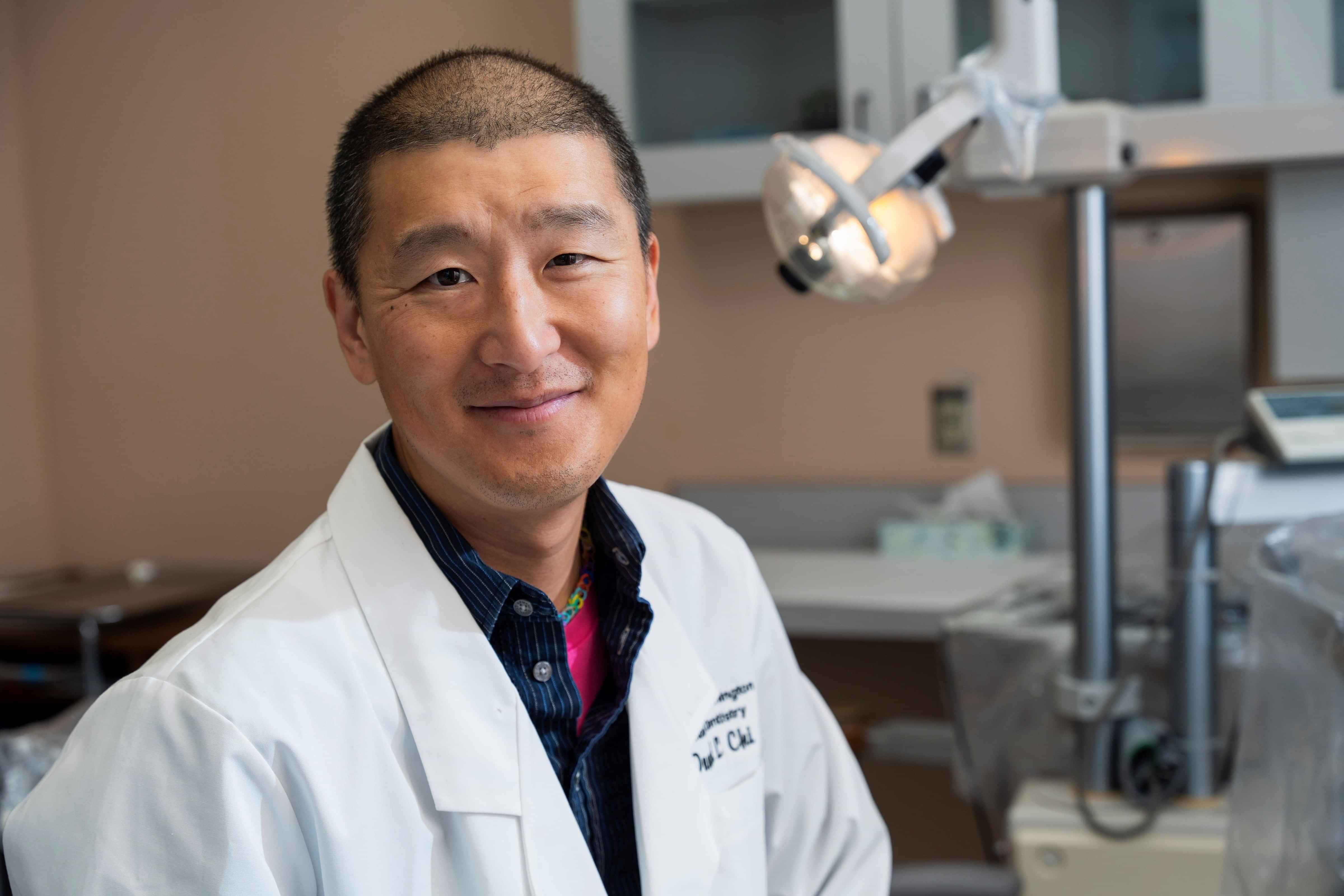
Professor Donald Chi
DDS, PhD
Topical fluoride hesitancy: a U.S. perspective on how to spot, diagnose, and manage it
Despite the proven safety and effectiveness of fluoride, fluoride hesitancy among patients and communities is a growing clinical challenge. In his talk, Dr. Chi will share his clinical perspectives as a paediatric dentist in the U.S. and research findings that quantify how common fluoride hesitancy is in practice, describe reasons why parents are hesitant about fluoride, and outline clinical strategies to address fluoride hesitancy.
Sponsored by:


David Moore
MCom, Dip Health Econ (Tromso), CA
Health New Zealand Oral Health Services Review – Progress Update
Health New Zealand | Te Whatu Ora is undertaking a review of how oral health services are delivered to children and young people aged 0–17 years.
This is the first major review of these services in many years. The Oral Health Services Review is focused on what can be implemented within the current funding and policy setting for publicly funded oral health services and specifically focuses on the following two key areas:
Recommendations for models of care for delivery of oral health services to 0–17-year-olds
Recommendations for how to commission the models of care (how to contract, fund and monitor services).
Health New Zealand is pleased to invite Sapere, the external supplier, who is working with us and leading the analytical and system-design components of the Oral Health Services Review to provide you with a progress update. The session will cover a summary of the work to date, the functioning of the technical working group, and a discussion of how options might be assessed moving forward.

Rebecca Rippon
Health New Zealand Oral Health Services Review – Progress Update
Health New Zealand | Te Whatu Ora is undertaking a review of how oral health services are delivered to children and young people aged 0–17 years.
This is the first major review of these services in many years. The Oral Health Services Review is focused on what can be implemented within the current funding and policy setting for publicly funded oral health services and specifically focuses on the following two key areas:
· Recommendations for models of care for delivery of oral health services to 0–17-year-olds
· Recommendations for how to commission the models of care (how to contract, fund and monitor services).
Health New Zealand is pleased to invite Sapere, the external supplier, who is working with us and leading the analytical and system-design components of the Oral Health Services Review to provide you with a progress update. The session will cover a summary of the work to date, the functioning of the technical working group, and a discussion of how options might be assessed moving forward.
Dr Jono Martin
Pathologies Affecting the Periodontium:
Pathologies affecting the periodontium range from acute infections to chronic inflammatory and non–plaque-induced diseases that can significantly influence periodontal health and treatment outcomes. This presentation provides a clinically focused overview of periodontal abscesses, perio-endo lesions, necrotising periodontal diseases, and selected non–plaque-induced gingival conditions. Through clinical cases and evidence-based discussion, participants will explore key features of diagnosis, differential diagnosis, risk factors, and contemporary management strategies relevant to everyday practice.
Learning Objectives
Recognise common pathologies affecting the periodontium.
Differentiate periodontal lesions from endodontic and mucosal conditions.
Understand key risk factors and disease mechanisms.
Apply evidence-based management principles to acute and chronic periodontal conditions.
Sponsored by Te Ao Marama

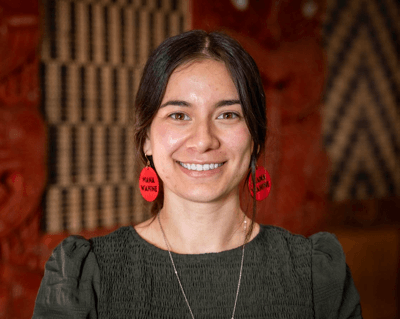
Rehutai Tipene-Tautolo
Oral Health Therapist
Implementation and delivery of the ARDS Community Outreach Team within the Auckland Regional Dental Service (ARDS)
Rehutai and Dianne present on the implementation and delivery of the ARDS Community Outreach Team within the Auckland Regional Dental Service (ARDS). Established to address persistent oral health inequities, the Community Outreach model provides coordinated, equity‑focused,community‑based service delivery aimed at improving access to and uptake of oral health care, with a particular focus on achieving better outcomes for tamariki. Grounded in a commitment to equity and responsive care, the programme operates across a wide range of early learning and community settings throughout Tāmaki Makaurau.
These include Kura Kaupapa Māori, Kōhanga reo, Pacific language nests, early childhood education centres, marae, churches, and Kāinga Ora communities, delivered through trusted local partnerships. By bringing services directly into spaces where tamariki and whānau live, learn, and connect, the initiative seeks to reduce structural barriers, strengthen engagement with whānau, and support culturally appropriate approaches to care. This presentation will outline the development, strategic planning, and ongoing delivery of the ARDS Community Outreach Team, highlighting key learnings, challenges, and opportunities for improving oral health outcomes for tamariki through place‑based, equity‑driven service provision.
Dianne Houston
Implementation and delivery of the ARDS Community Outreach Team within the Auckland Regional Dental Service (ARDS)
Rehutai and Dianne present on the implementation and delivery of the ARDS Community Outreach Team within the Auckland Regional Dental Service (ARDS). Established to address persistent oral health inequities, the Community Outreach model provides coordinated, equity‑focused,community‑based service delivery aimed at improving access to and uptake of oral health care, with a particular focus on achieving better outcomes for tamariki. Grounded in a commitment to equity and responsive care, the programme operates across a wide range of early learning and community settings throughout Tāmaki Makaurau.
These include Kura Kaupapa Māori, Kōhanga reo, Pacific language nests, early childhood education centres, marae, churches, and Kāinga Ora communities, delivered through trusted local partnerships. By bringing services directly into spaces where tamariki and whānau live, learn, and connect, the initiative seeks to reduce structural barriers, strengthen engagement with whānau, and support culturally appropriate approaches to care. This presentation will outline the development, strategic planning, and ongoing delivery of the ARDS Community Outreach Team, highlighting key learnings, challenges, and opportunities for improving oral health outcomes for tamariki through place‑based, equity‑driven service provision.
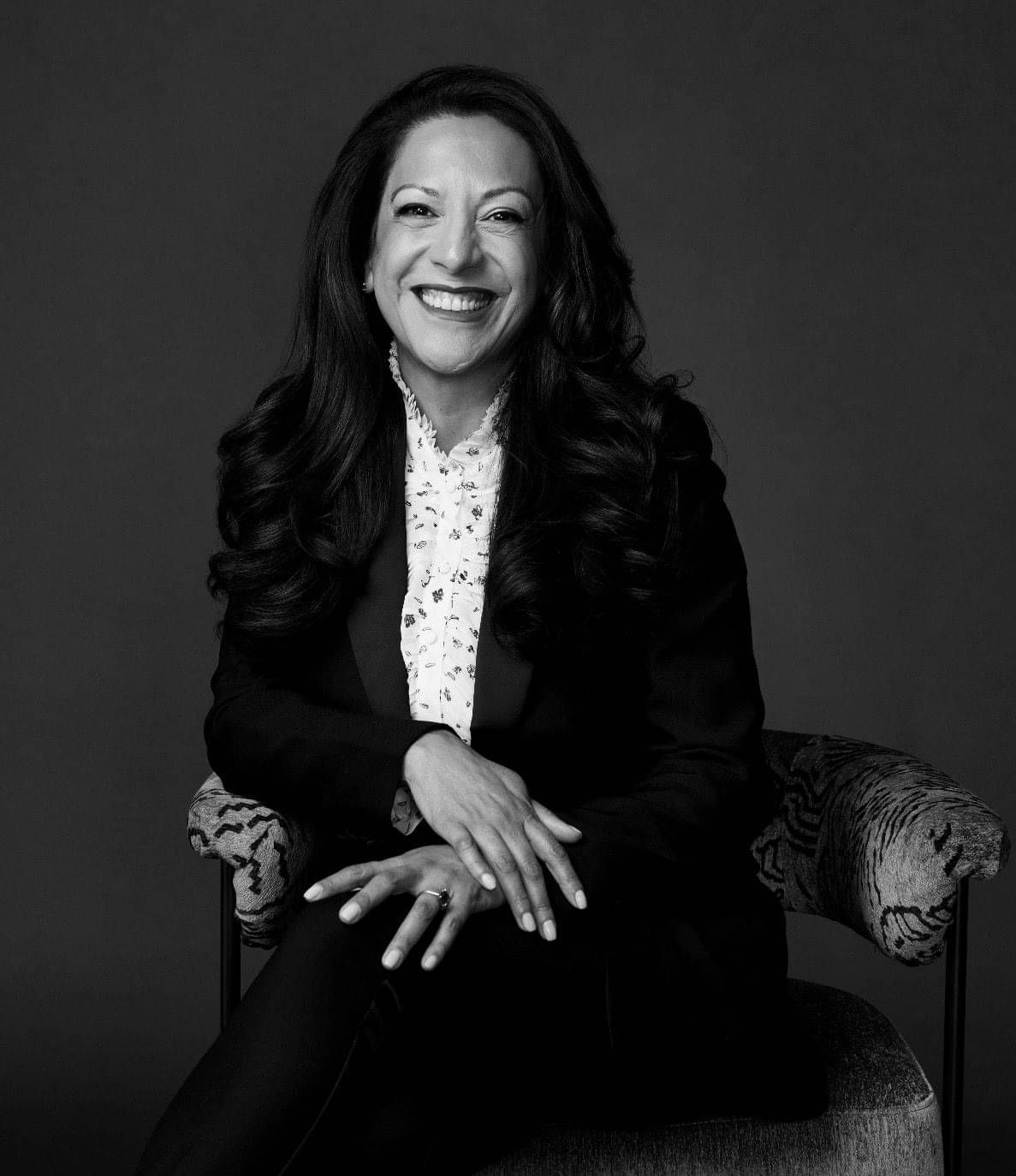
Karen Aguilar
RDH, BSDH, MPH
Beyond Visualization: The Evolution of Periodontal Therapy
This lecture explores the transformative role of dental endoscopy in modern periodontal therapy and its impact on the delivery of minimally invasive care. As periodontal treatment continues to evolve, enhanced visualization has become a critical factor in improving clinical precision, patient education, and treatment outcomes.
Participants will examine the limitations of traditional blind instrumentation and discover how direct visualization of subgingival root surfaces, furcation's, and periodontal defects can improve diagnosis, debridement, and treatment predictability. The presentation will also highlight the integration of dental endoscopy into contemporary periodontal protocols, demonstrating how minimally invasive approaches can preserve tissue, increase patient acceptance, and elevate the standard of care.
Through clinical cases and real-world applications, attendees will gain insight into the future of periodontal therapy and the growing role of technology in supporting precision-based, patient-centered treatment.
SPONSORS
Thank you to our event sponsors
Platinum / Speaker Sponsor

Platinum Sponsor

Platinum Sponsor
Gold & Speaker Sponsor

Masterclass / Speaker Sponsor
Speaker Sponsor

Speaker Sponsor

Masterclass Sponsor

Masterclass Sponsor
New Zealand Oral Health Practitioner Awards 2026
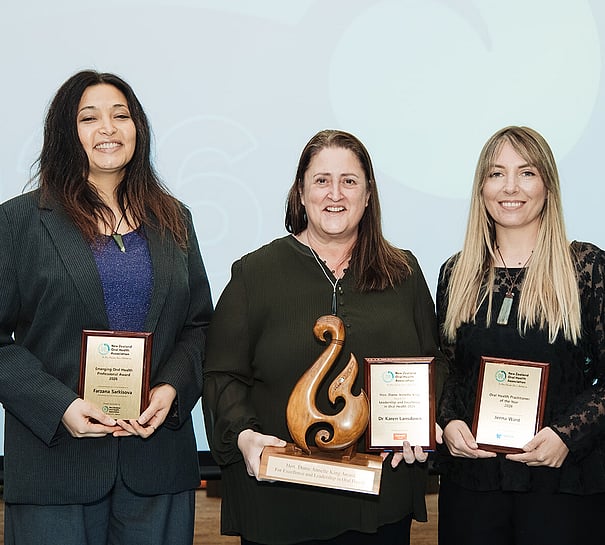
Congratulations to the award recipients

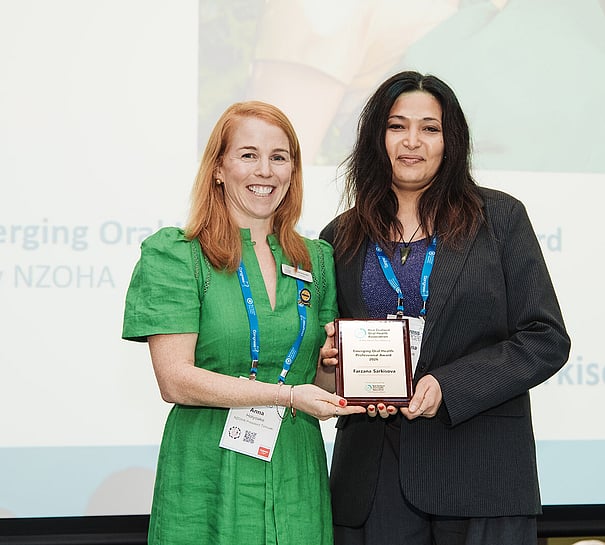
Farzana Sarkisova
NZOHA Emerging Oral Health Professional Award
Celebrating rising stars in oral health with 1-7 years of professional experience who demonstrate strong clinical and leadership skills early in their careers.

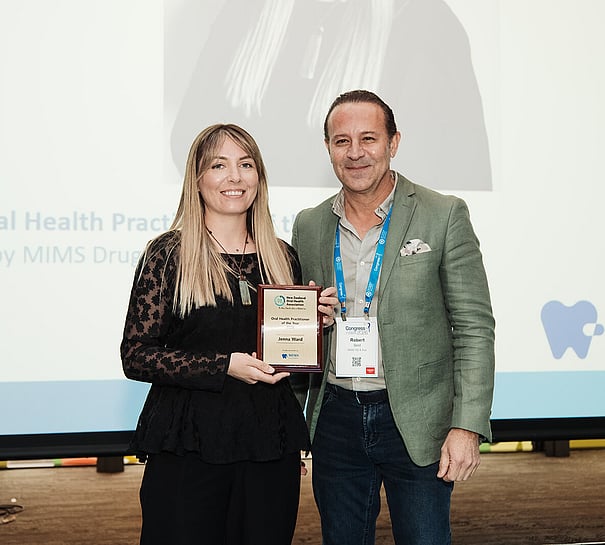
Jenna Ward
NZOHA Oral Health Practitioner of the Year Award
Recognizing excellence in clinical care, education, research, advocacy and community service.

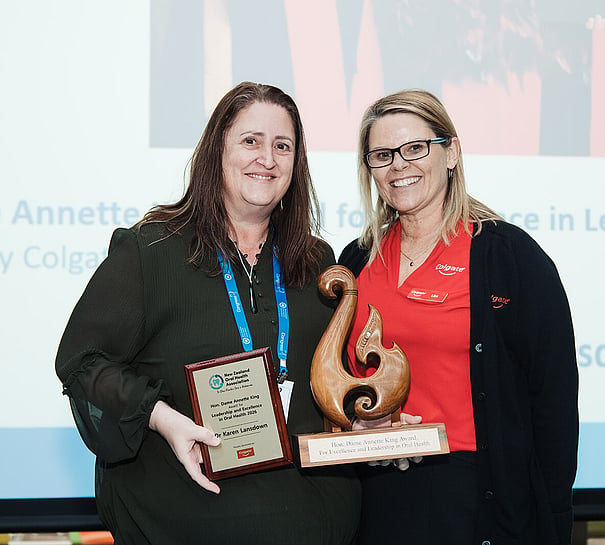
Dr Karen Lansdown
Hon. Dame Annette King Award for Excellence in Leadership and Oral Health
Honouring a practitioner with exceptional leadership, innovation, and significant contributions to oral health advancement.
Sponsored by:
Sponsored by:
Sponsored by:




Contact us with any questions or to join NZOHA
Key Links
Thank you to the Clare Foundation for supporting Te Ohu Pūniho Ora o Aotearoa – New Zealand Oral Health